What is a superhuman engineer?
A superhuman engineer is a hardware engineer who works across disciplines (mechanical, electrical, firmware, test) with AI covering the blind spots that used to need a specialist. The point is not generating CAD faster. It is getting a validated physical product into mass production with a team of five.
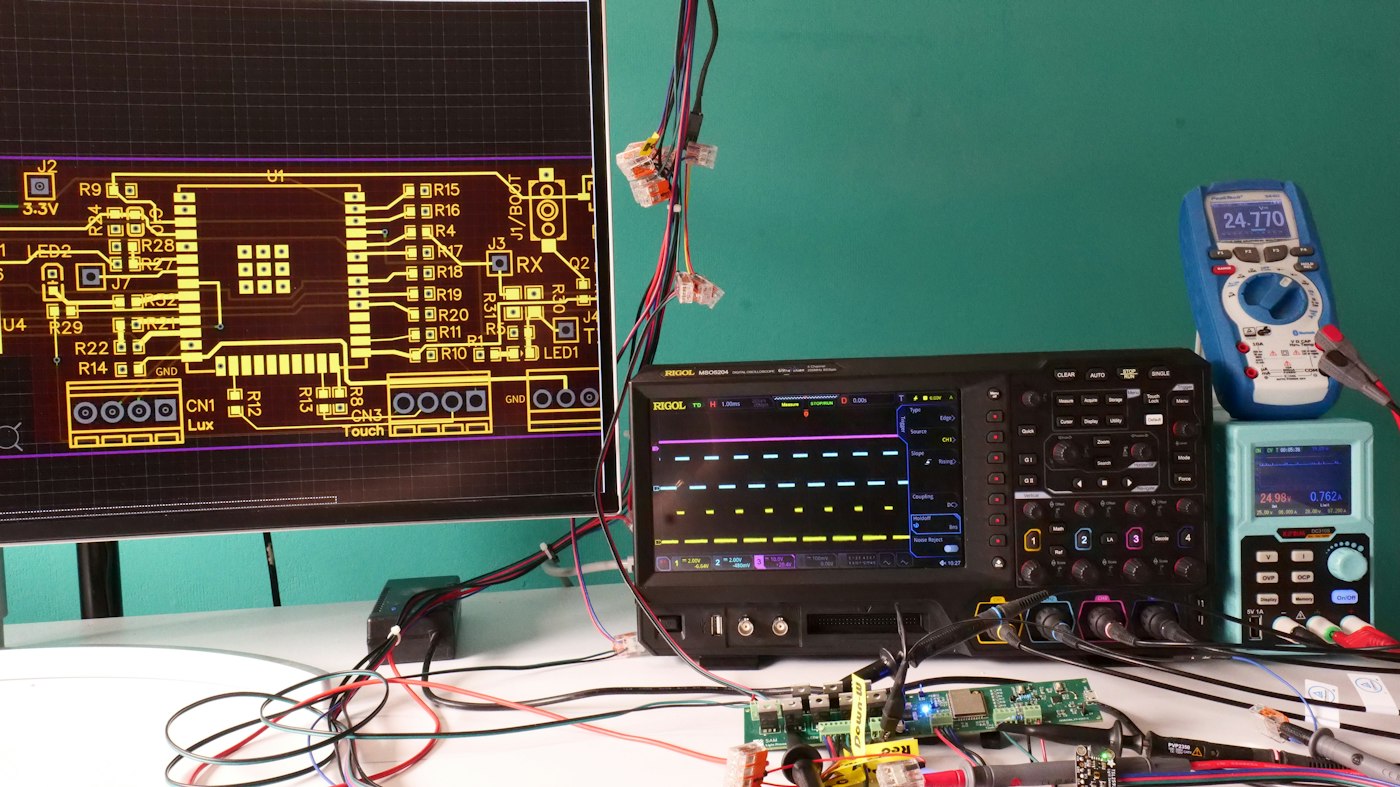
A new kind of hardware builder
Most hardware engineers are hired as one thing: a mechanical engineer, an electrical engineer, a chemical engineer. The product needs all of them, so the team grows until every discipline has a person.
I think that is changing. The barrier to learning a second and third discipline is coming down with AI. An engineer who knows mechanical design can now reason about a circuit, a test plan or a material choice well enough to make good decisions, and knows when to ask for help.
Over the next five years, I expect small teams to take a physical product from prototype to validated, refined and mass-produced. That has usually taken teams of 50 or more. I think a team of five superhuman engineers can do it, if they can find and clear the blind spots in their testing and validation.
Not just VibeCAD
There is a lot of excitement about generating CAD and circuit boards from a prompt. I'm excited about it too. But a model is not a product.
The hard questions come after the model exists:
- How does this physical prototype perform in real life?
- What data from it is measurable and usable?
- How can that data be structured so it means something next month?
- What failures is it likely to have that would blindside a typical engineer?
A superhuman engineer is defined by answers to those questions, not by how fast they can draw.
From 32 golden samples to 10,000
Here is the test I keep coming back to. A team has 32 golden samples, machined on a 6-axis CNC, and every one of them is perfect. Now they need 10,000.
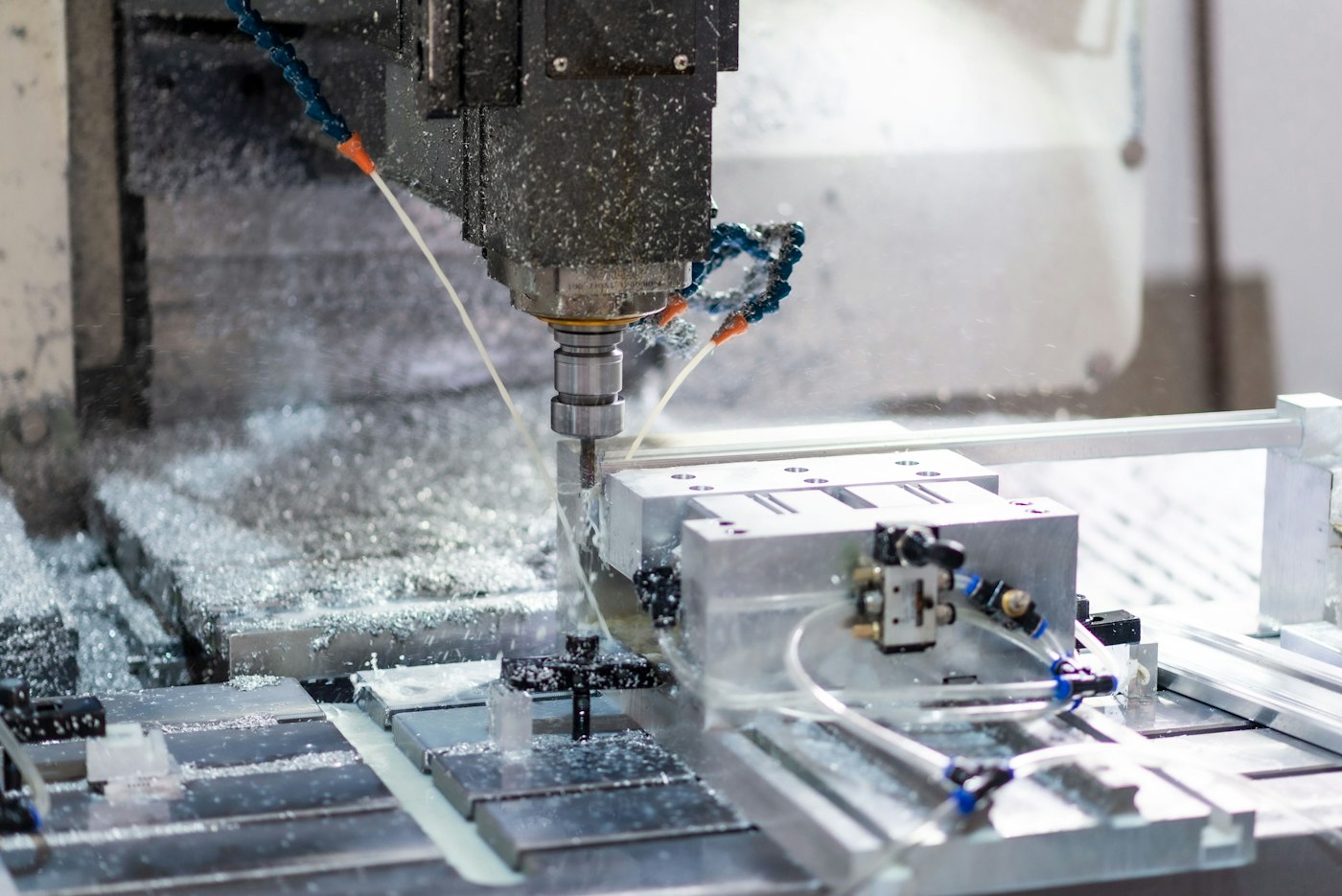
Nothing about the CAD changes much between those two numbers. Almost everything else does: the process, the supplier, the tolerances that actually hold, the parts that only fail at volume, the test that passed on 32 units and misses a problem at 10,000.
The questions for a small team at that point:
- How do we keep track of what happens to this product in the physical world?
- How do we avoid running the same investigation twice on one program?
- When something fails, can we find what we already knew about it?
A team of 50 covers this with people: someone who remembers the last time, someone who owns the test data, someone who knows why the wall is 3 mm. A team of five can't. Their blind spots have to be covered some other way.
What covers the blind spots
Blind spots are mostly things the team once knew and lost: why a change was made, what a test showed, what the supplier said, which revision a problem was found on. On a large team that lives in people. On a small team it has to live with the product itself.
That is where we started with Kyumi: version control and design review for mechanical hardware teams, where every revision keeps the discussion behind it. A superhuman engineer still makes the calls. The record of every earlier call shouldn't depend on anyone's memory.
What a superhuman engineer is not
- Not one person who knows everything. It's a person who can work across disciplines and knows where their own knowledge ends.
- Not an AI that designs the product. The engineer owns the decisions; AI helps them see what they would otherwise miss.
- Not a way to skip validation. The whole point is getting through testing and into production with fewer surprises.
FAQ
What is a superhuman engineer?
A hardware engineer who works across disciplines, such as mechanical, electrical, firmware and test, with AI covering the blind spots that used to need a specialist. The goal is a small team that can take a physical product from prototype to mass production.
Is a superhuman engineer the same as a generalist?
Not quite. A generalist knows a little of everything; a superhuman engineer can make sound decisions across disciplines because AI and the team's own records fill in what they don't know.
Will AI replace hardware engineers?
In this view, no. AI lowers the barrier to working across disciplines and helps catch blind spots, but an engineer still owns every decision and signs off on what gets built.
How small can a hardware team be?
I think a team of five superhuman engineers can take a refined product to mass production within the next five years. What limits them is not design speed but keeping track of what they have learned about the product.
Related
Kyumi is building one place for the part, for the engineers who design it and everyone who builds it. Join the waitlist.